Cost Optimization in the Cloud: Strategies to Manage and Reduce Cloud Costs
Cloud computing offers numerous benefits, including scalability, flexibility, and [...]


Cloud computing offers numerous benefits, including scalability, flexibility, and [...]
In the fast-paced world of software development, the demand [...]
iOS Android In [...]
In today's digital landscape, ensuring the security of your [...]
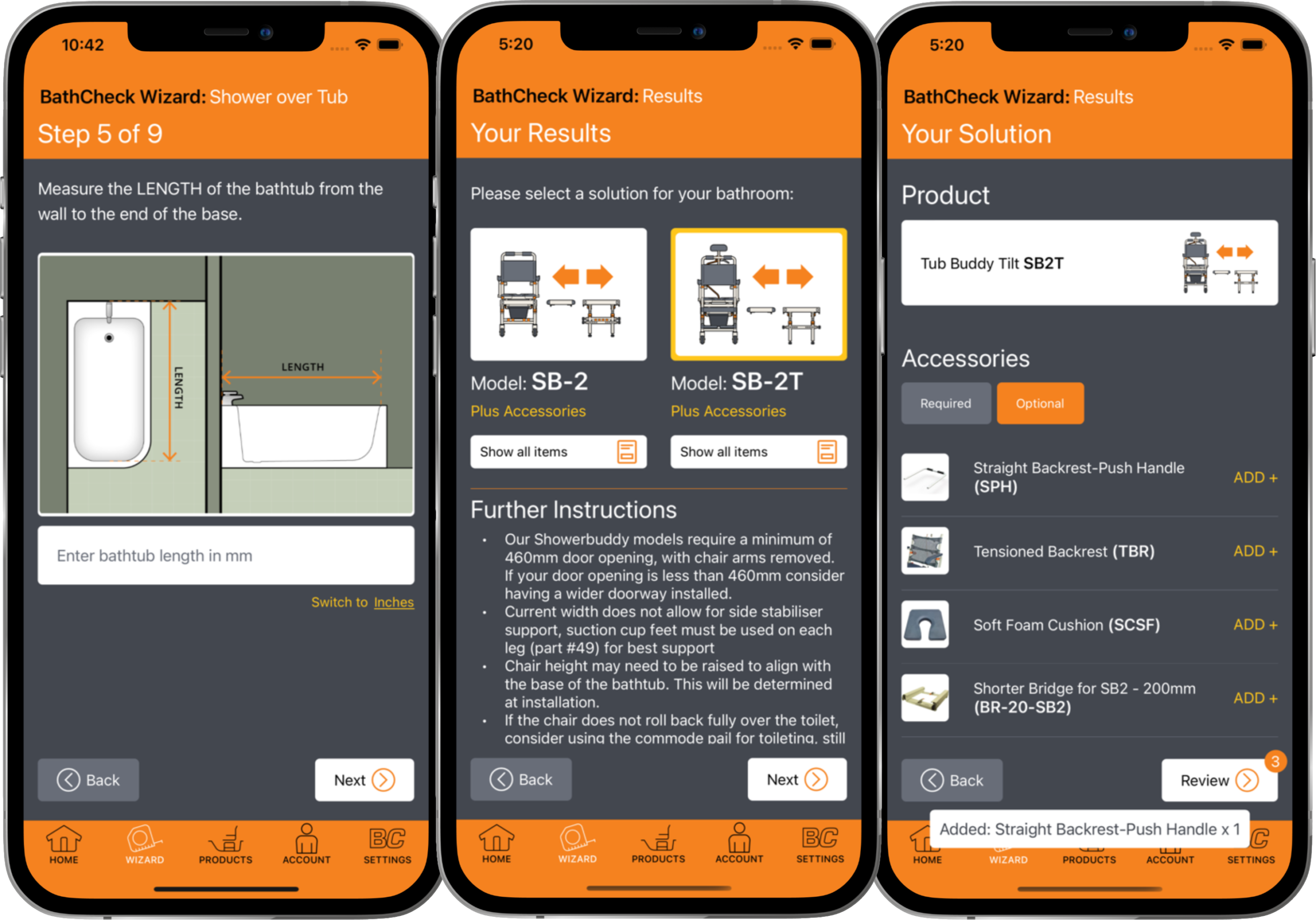
CASE STUDY Showerbuddy’s BathCheck app revolutionises the [...]
Summer is suddenly here and we are in December (and what a year it's been!). We get it – it’s hot, work is busy finalising things for the year, [...]
It’s been an interesting and eventful decade [...]
CASE STUDY Theta Technologies extends its InformationLeader offering [...]
A year ago during the peak of COVID-19 and while [...]
Following on from my last article, From idea to app store, this one looks at how to plan your next releases based on actual user data. Analytics are one of the most important tools you have when deciding how to progress your app from MVP to something polished and widely used.
It’s one of the software development world’s favourite terms to throw around, but what do people actually mean when they talk about automated testing?
As apps and software matures, it can become extremely expensive in terms of time and money to continue to manually test its functionality. By employing an effective automated testing solution, you can greatly reduce a lot of cost and error in your development.
One of the questions I get asked a lot by people who have an idea for a new app is: what do you actually have to do to get your idea out to users in the app marketplaces? Whilst I imagine there are lots of different paths people have taken to go from a drawing on a napkin to a polished app getting 5 star reviews, this is the process I’ve found to work.
Releasing an app to the different app stores is great, but what’s better is actually making money from it. There are numerous ways in which you can generate revenue from an app. In this article, we’ll look at six different monetisation strategies.
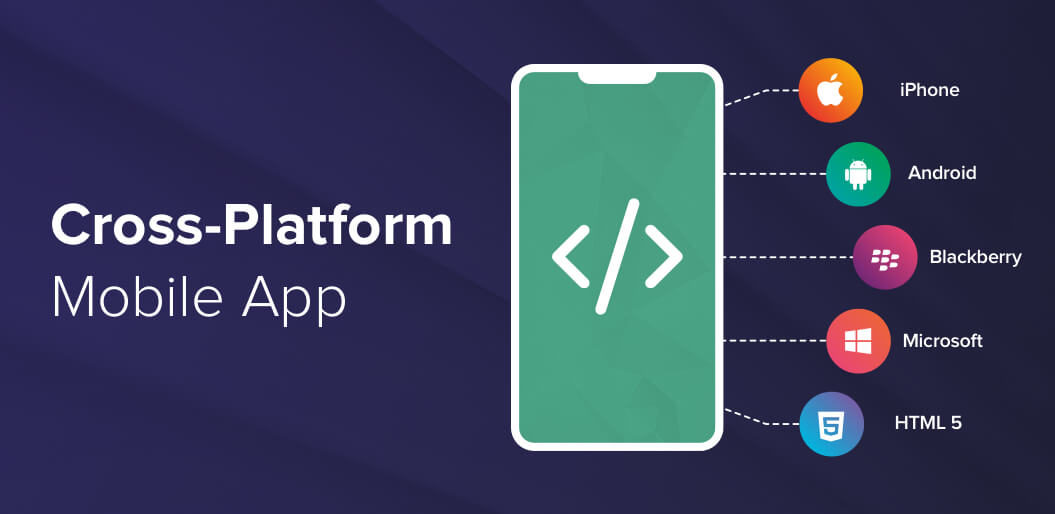
When Apple and Google first started making apps available on the respective stores, there wasn’t much choice of how you wrote apps for them. For Apple iOS apps, you had to write apps using an unusual language called Objective-C, and for Android you had to use Java.